Hard Chrome Roller Enquiries: What to Send Before Requesting a Quote
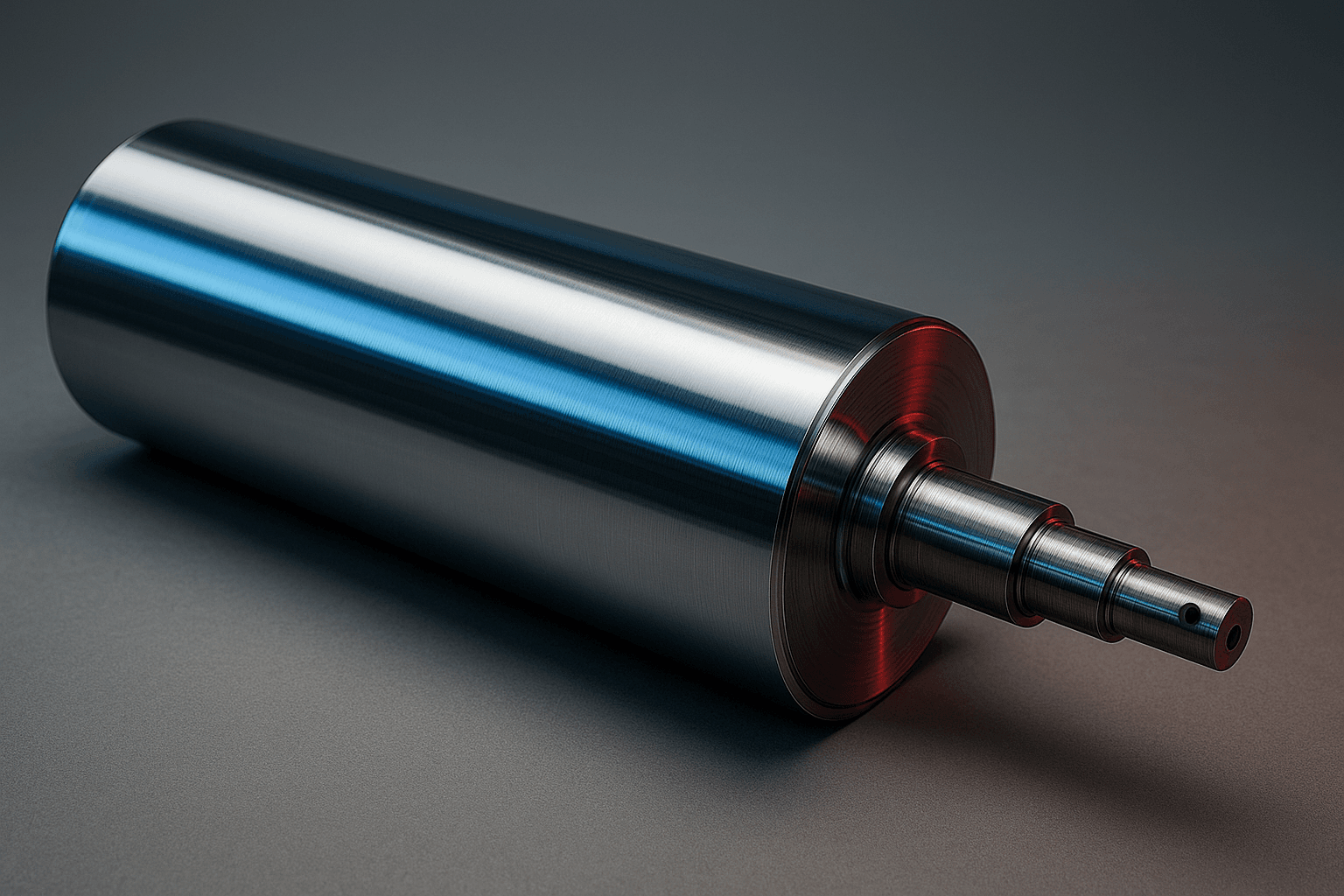
An enquiry for a hard chrome roller is easier to assess when it includes the roller’s application, dimensions and existing condition. Whether you need a new roller or want an existing one assessed for re-chroming, a clear drawing and a short description of the operating problem help the supplier identify what still needs confirmation.
Start with the application
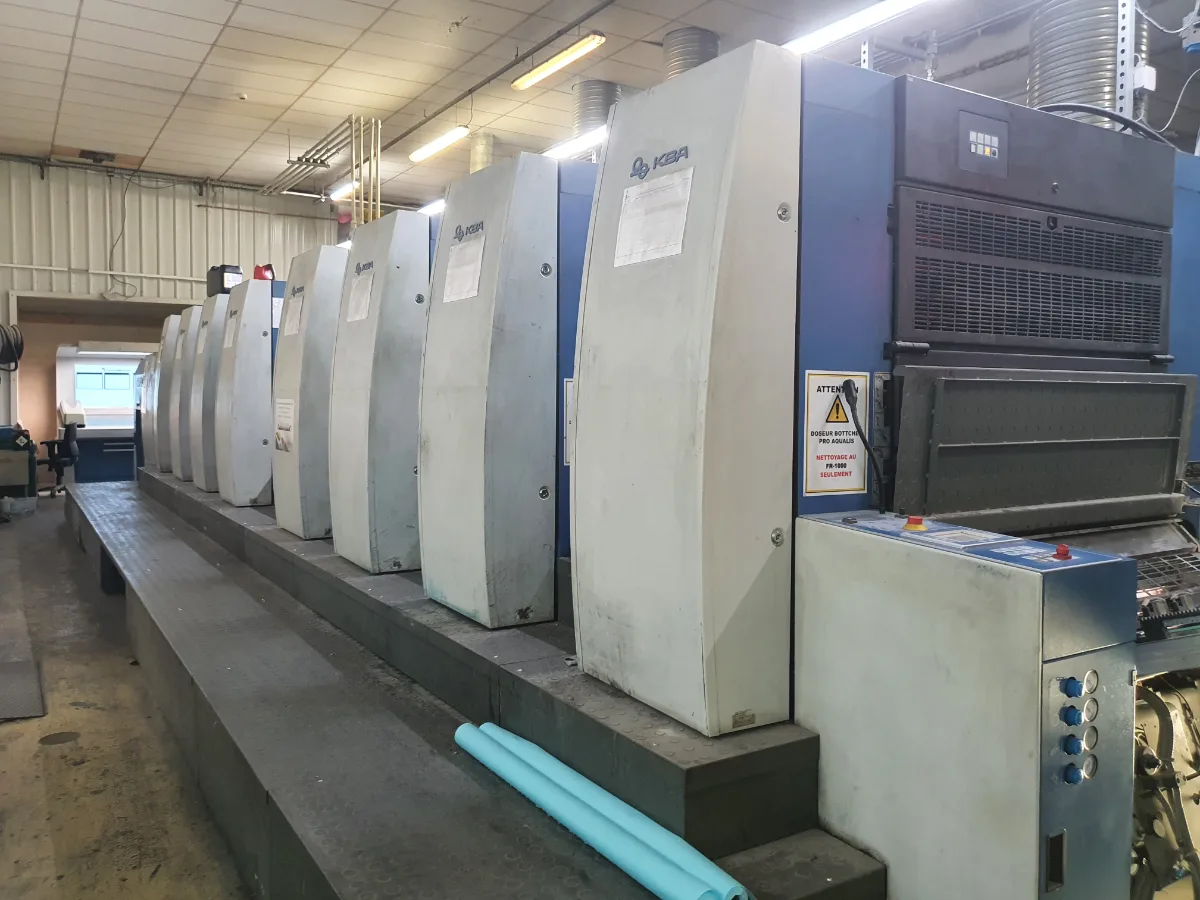
Name the machine and describe the roller’s position and purpose. Include the material it contacts, the operating speed if known, and any relevant temperature or chemical exposure. Mark uncertain information as unknown instead of filling gaps with estimated specifications.
If this is an existing roller, state whether the enquiry concerns normal wear, visible surface damage, a change in finished dimensions or another observed problem. Describe what happened and when; photographs alone should not be treated as a confirmed diagnosis.
Attach a drawing or identify the sample
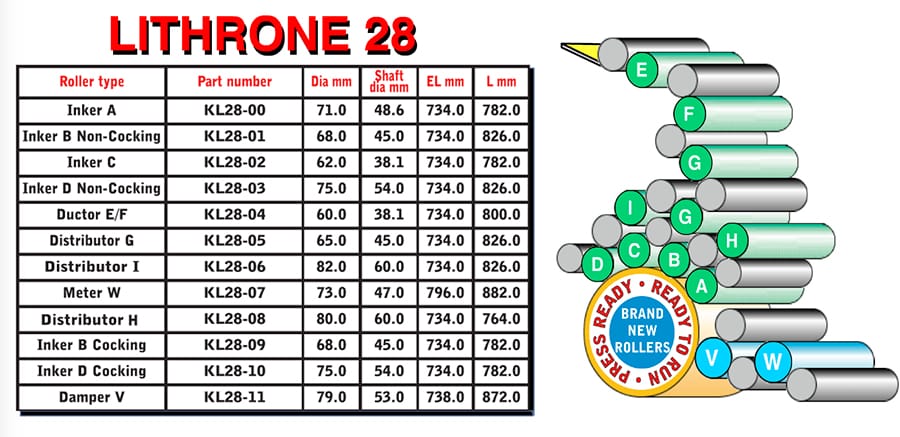
A useful drawing identifies the working-face diameter and length, overall length, journals and relevant mounting details. Include the drawing number and revision so everyone works from the same reference.
If the original drawing is unavailable, say so. Ask whether the supplier can inspect a sample and confirm which measurements are required. Label informal measurements clearly; do not present them as an approved manufacturing drawing.
Separate requirements from observations
Keep the original required dimensions separate from measurements taken on a worn roller. The same applies to surface finish and runout: a current observation does not automatically define an acceptable finished condition.
Where your machine documentation specifies surface finish, runout, plating thickness or a hardness test, share the exact requirement and its reference. If it does not, ask for a specification review. Avoid substituting a rubber-cover hardness value for an unspecified metallic coating test.
Document the existing condition
For a service enquiry, provide an overall photograph and clear close-ups of affected areas. Identify where each photograph was taken along the roller. Include previous repair history if available and explain whether the roller is still installed or available for inspection.
The inspection should determine whether reconditioning is suitable and what work is required. Visible wear alone does not guarantee that re-chroming will restore the complete assembly.
A short enquiry checklist
- Machine, roller position and application.
- Drawing number and revision, or availability of a physical sample.
- Required dimensions and separately labelled current measurements.
- Specified surface requirements and their documentation.
- Photographs and a description of the observed condition.
- Operating conditions, previous service history and required timing.
For Cooper Rollers’ stated manufacturing and reconditioning scope, see Hard Chrome Rollers. Share the available information through the enquiry form so the team can confirm the assessment and quotation requirements.
For a broader drawing and measurement checklist, see How to Build a Printing Roller Specification Sheet.